Off-LeashTraining Milestones with Felix the GSP
This is a great training video! Here is a blog post drafted from your session with Felix.
From Long Lines to Off-Leash: Training Milestones with Felix the GSP
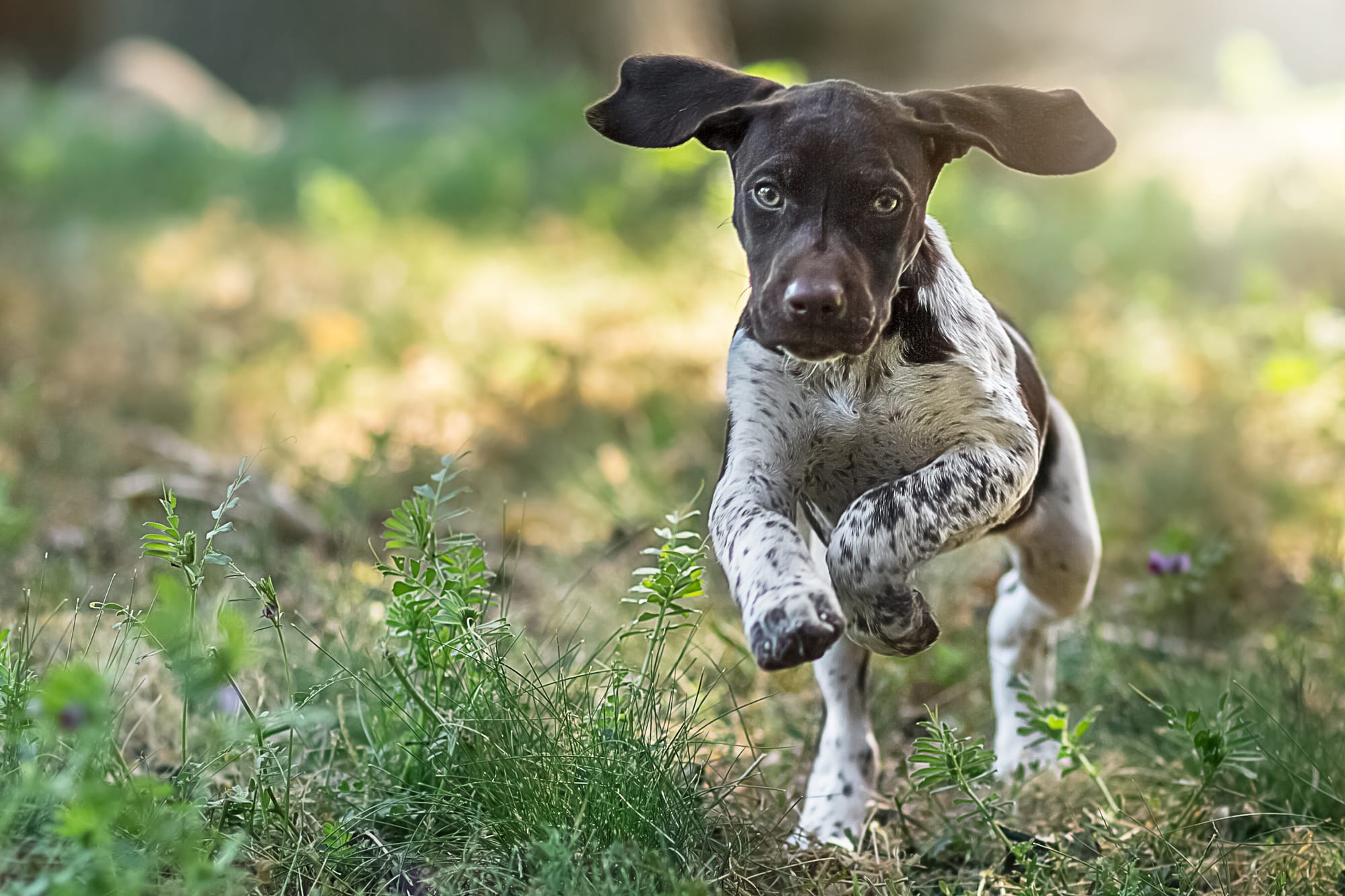
Training a high-energy breed like a German Shorthaired Pointer (GSP) requires patience, consistency, and a solid plan. In our latest session at the park in Riverton, we took Felix, a four-month-old GSP, through the essential steps of transitioning from long-line work to reliable off-leash commands. Whether you’re working with a young puppy or refining an older dog’s skills, here is a breakdown of the drills we used to build focus and impulse control.
1. The "Let’s Go" Command: Building Connection
We started the session with a long line (a very long leash) to bridge the gap between being tethered and being free. The goal of the "Let’s Go" command isn't a strict "heel." Instead, it’s about engagement. Felix’s job is simply to stay near and check in. We use this to ensure that even when he’s exploring, he is paying attention to where his handler is moving. If he tries to "lose" us or gets too far ahead, we change direction to remind him that staying close is the best place to be.
2. Mastering the "Implied Stay"
One of the most important concepts we work on is the implied stay. When Felix is given a "Sit" or "Down" command, he is expected to hold that position until he receives a release command (like "Okay") or a new instruction.
- Pro Tip: Avoid saying "Stay" repeatedly. By making the stay implied, you teach the dog that the command remains in effect until you say otherwise.
- Distance Work: To prevent "cheating" (where the dog creeps toward you during a stay), try stepping toward them when giving the command from a distance. This reinforces the idea that they should stay exactly where they are.
3. The "Come" Command (Recall)
For a bird dog like a GSP, the "Come" command is vital. We look for a "Front Sit"—where Felix comes directly to the handler and sits down immediately. This ensures the handler can easily reach him if needed. If the dog "lollygags" or takes too long to respond, a quick correction helps keep the response sharp and reliable.
4. Transitioning to Off-Leash
Once Felix was warmed up and focused on the long line, we moved to total off-leash work. At this stage, we look for:
- Auto-Sits: When the handler stops walking, the dog should automatically sit without being asked.
- Impulse Control: For a GSP, every fiber of their DNA wants to run, sniff, and chase. Practicing stays in a busy environment like a park is the ultimate test of their ability to ignore distractions and listen to their handler.